Classical Music Appreciation with Gail
Your invitation to fall in love with the world's most beautiful music
Google+ Followers
Tuesday, May 21, 2013
Monday, May 20, 2013
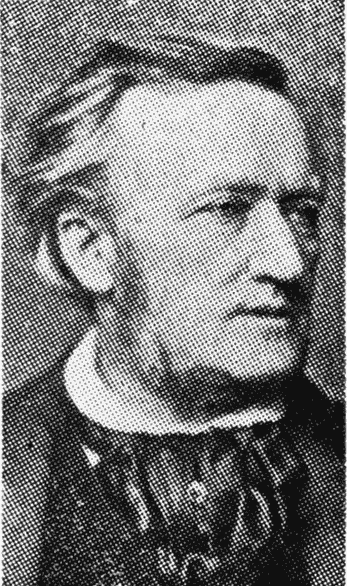
Richard Wagner Documentary, Part 1 of 5
Take your lunch break, coffee break, or commute with Richard Wagner all this week with this fine documentary on his life.
Friday, May 3, 2013
THE STORY OF RICHARD WAGNER Part 3
Wagner was not wholly satisfied with making characters who were merely people just like ourselves. (For Walter and Eva are people of our kind). But there are in the operas by Richard Wagner, gods and goddesses, giants and Rhine maidens, and Nibelungs.
Many of them have strange names. These names are easy to remember because they are strange: Wotan and Donner are gods. Freia and Erda are goddesses. Fafner is a giant. Flosshilde is a Rhine daughter. Mime and Alberich are Nibelungs.

LOHENGRIN
Oh, they are wonderful company these gods and goddesses, and others of the company who tell their story and adventure in the operas of the Nibelungen Ring. Here is Siegfried forging his Magic Sword Nothung.

SIEGFRIED
Now, as we have said, when we learn of so great a man we always wonder what sort of a boy he was. Well, when this boy was nine years old he went to a classical school. One of his teachers at least must have been very fond of him, and he must have been fond of his teacher, for when Richard Wagner was only thirteen years old he translated from Greek into German twelve books of the Odyssey for this teacher.

WAGNER AS A BOY
"I intend to become a poet," he used to say. He read Romeo and Juliet in English. Then he wrote a play in which were Hamlet and King Lear. And there were forty-two other characters. All of these died or were killed in the fourth act and were brought back as ghosts in the fifth! He played the piano, too, and seems to have been quite as busy a boy as he was a man.
Of one composer's music he was very fond. This composer lived nearby and passed the Wagner house almost every day. Richard always ran to the window to watch him coming. This musician was the composer of Der Freischütz and ofOberon. Can you guess his name?
This composer's father was also a musician as well as a military man.

WEBER
Children will be glad to know that Wagner was very fond of animals. Here he is with a picture of one of his dogs. His favorite dogs are buried in the garden of his home at Bayreuth, where Wagner is also buried.
Wagner called his home at Bayreuth "Wahnfried," which really means "Fancy Free."
It is beautifully located in the heart of the old town.

No. 16 WAGNER AND HIS DOG
Later on the boy read about the contest of Die Meistersinger. He was then sixteen. And he read, too, a poem called Tannhäuser. He kept these stories in mind until he became a man and then he wrote an opera about each.
Thus we see that we carry childhood thoughts into manhood.

No. 17
Here is a list of the operas by Richard Wagner, with their names pronounced:—
The Fairies (1833).
Das Liebesverbot (1836) leebes-fehr-bote.
Rienzi (1842) ree-ent'-see.
The Flying Dutchman (1842).
Tannhäuser (1845) tan'-hoy-ser.
Lohengrin (1847) lo'-en-green.
Das Rheingold (1869) rhine-gold.
Die Walküre (1870) dee val-kee-reh.
Siegfried (1869) seeg'-freed.
Tristan and Isolde (1865) e-sol'-deh.
Die Meistersinger (1867).
Die Götterdämmerung (1876) dee getter-day-meh-roongk.
Parsifal (1882) par'-se-fal.
Wagner also wrote symphonies and a few works for chorus and orchestra, but he is so much greater as a composer of music dramas that he is known mostly for his works for the stage.
This concludes our tale. Now, on to the wonderful music of Richard Wagner. Please join me next week for 2 weeks of the best in videos of live Wagner performances.
Many of them have strange names. These names are easy to remember because they are strange: Wotan and Donner are gods. Freia and Erda are goddesses. Fafner is a giant. Flosshilde is a Rhine daughter. Mime and Alberich are Nibelungs.

LOHENGRIN
Oh, they are wonderful company these gods and goddesses, and others of the company who tell their story and adventure in the operas of the Nibelungen Ring. Here is Siegfried forging his Magic Sword Nothung.

SIEGFRIED
Now, as we have said, when we learn of so great a man we always wonder what sort of a boy he was. Well, when this boy was nine years old he went to a classical school. One of his teachers at least must have been very fond of him, and he must have been fond of his teacher, for when Richard Wagner was only thirteen years old he translated from Greek into German twelve books of the Odyssey for this teacher.

WAGNER AS A BOY
"I intend to become a poet," he used to say. He read Romeo and Juliet in English. Then he wrote a play in which were Hamlet and King Lear. And there were forty-two other characters. All of these died or were killed in the fourth act and were brought back as ghosts in the fifth! He played the piano, too, and seems to have been quite as busy a boy as he was a man.
Of one composer's music he was very fond. This composer lived nearby and passed the Wagner house almost every day. Richard always ran to the window to watch him coming. This musician was the composer of Der Freischütz and ofOberon. Can you guess his name?
This composer's father was also a musician as well as a military man.

WEBER
Children will be glad to know that Wagner was very fond of animals. Here he is with a picture of one of his dogs. His favorite dogs are buried in the garden of his home at Bayreuth, where Wagner is also buried.
Wagner called his home at Bayreuth "Wahnfried," which really means "Fancy Free."
It is beautifully located in the heart of the old town.

No. 16 WAGNER AND HIS DOG
Later on the boy read about the contest of Die Meistersinger. He was then sixteen. And he read, too, a poem called Tannhäuser. He kept these stories in mind until he became a man and then he wrote an opera about each.
Thus we see that we carry childhood thoughts into manhood.

No. 17
Here is a list of the operas by Richard Wagner, with their names pronounced:—
The Fairies (1833).
Das Liebesverbot (1836) leebes-fehr-bote.
Rienzi (1842) ree-ent'-see.
The Flying Dutchman (1842).
Tannhäuser (1845) tan'-hoy-ser.
Lohengrin (1847) lo'-en-green.
Das Rheingold (1869) rhine-gold.
Die Walküre (1870) dee val-kee-reh.
Siegfried (1869) seeg'-freed.
Tristan and Isolde (1865) e-sol'-deh.
Die Meistersinger (1867).
Die Götterdämmerung (1876) dee getter-day-meh-roongk.
Parsifal (1882) par'-se-fal.
Wagner also wrote symphonies and a few works for chorus and orchestra, but he is so much greater as a composer of music dramas that he is known mostly for his works for the stage.
This concludes our tale. Now, on to the wonderful music of Richard Wagner. Please join me next week for 2 weeks of the best in videos of live Wagner performances.
Thursday, May 2, 2013
THE STORY OF RICHARD WAGNER Part 2
As we read of a great man we must learn to see the world as it was in his day.
...so who were the great musicians when Mr. Wagner was a boy? Well, here are some of them. Can you tell one fact about each of the men whose pictures come next?

LISZT

SCHUMANN

VERDI

CHOPIN
Wagner's father died when he was only six months old, and the boy was brought up by his mother and his step-father, who was very kind to him. In one way Wagner was unlike most of the other great composers. He did not show any talent for music until he was almost a man. All that he thought of was writing plays. When he did study, he was so bright and worked so hard that he learned in less than a year more than many learn in a lifetime. Here is a picture of Wagner's mother, who cared for him so tenderly.

WAGNER'S MOTHER
When we read the stories of Charles Dickens we make many friends. And they are among the very best we ever have. There are Little Nell, Paul Dombey, Sam Weller, Oliver Twist, and a host of others.
Writers like Dickens bring all sorts of people before us. But few composers can do such a thing.
Yet there are some who do this, and one of the greatest is Richard Wagner. In his operas a host of people live,—people as real and as interesting as those in the stories of Charles Dickens.
There is Walter, who sings the Prize Song in Die Meistersinger, and Eva, whom he loves. And in the same opera there is Beckmesser, the fussy old schoolmaster kind of a man. And Hans Sachs, the cobbler.

SCENE FROM DIE MEISTERSINGER
There is a lovely scene in the third act of this opera. We see a meadow light and bright in the sunshine. A glistening river flows quietly through it. Everywhere on the water there are boats. Scattered over the meadow there are tents. Everybody is out for a holiday time. All is lively and full of color and bright and cheery. Now there pass before us the tradesmen singing in chorus. There are cobblers and carpenters led by the town pipers. And every trade sings its own songs.
Then comes the scene in which Walter and Beckmesser sing in contest. Beckmesser begins. He stutters and stammers and struggles through his song. And finally, like a school-boy who does not know his lesson, he breaks down.
Then Walter comes to sing the lovely Prize Song; a melody that just sings itself into the heart of everyone.

WALTER'S PRIZE SONG Listen
Do you wonder that with such lovely music Walter wins the contest and the hand of Eva whom he loves? Jolly old Hans Sachs is so happy over it all that he sings a rollicking song and everybody joins in with him as the curtain goes down.

HANS SACHS
Please return tomorrow for the final part of the story...
...so who were the great musicians when Mr. Wagner was a boy? Well, here are some of them. Can you tell one fact about each of the men whose pictures come next?

LISZT

SCHUMANN

VERDI

CHOPIN
Wagner's father died when he was only six months old, and the boy was brought up by his mother and his step-father, who was very kind to him. In one way Wagner was unlike most of the other great composers. He did not show any talent for music until he was almost a man. All that he thought of was writing plays. When he did study, he was so bright and worked so hard that he learned in less than a year more than many learn in a lifetime. Here is a picture of Wagner's mother, who cared for him so tenderly.

WAGNER'S MOTHER
When we read the stories of Charles Dickens we make many friends. And they are among the very best we ever have. There are Little Nell, Paul Dombey, Sam Weller, Oliver Twist, and a host of others.
Writers like Dickens bring all sorts of people before us. But few composers can do such a thing.
Yet there are some who do this, and one of the greatest is Richard Wagner. In his operas a host of people live,—people as real and as interesting as those in the stories of Charles Dickens.
There is Walter, who sings the Prize Song in Die Meistersinger, and Eva, whom he loves. And in the same opera there is Beckmesser, the fussy old schoolmaster kind of a man. And Hans Sachs, the cobbler.

SCENE FROM DIE MEISTERSINGER
There is a lovely scene in the third act of this opera. We see a meadow light and bright in the sunshine. A glistening river flows quietly through it. Everywhere on the water there are boats. Scattered over the meadow there are tents. Everybody is out for a holiday time. All is lively and full of color and bright and cheery. Now there pass before us the tradesmen singing in chorus. There are cobblers and carpenters led by the town pipers. And every trade sings its own songs.
Then comes the scene in which Walter and Beckmesser sing in contest. Beckmesser begins. He stutters and stammers and struggles through his song. And finally, like a school-boy who does not know his lesson, he breaks down.
Then Walter comes to sing the lovely Prize Song; a melody that just sings itself into the heart of everyone.

WALTER'S PRIZE SONG Listen
Do you wonder that with such lovely music Walter wins the contest and the hand of Eva whom he loves? Jolly old Hans Sachs is so happy over it all that he sings a rollicking song and everybody joins in with him as the curtain goes down.

HANS SACHS
Please return tomorrow for the final part of the story...
Wednesday, May 1, 2013
THE STORY OF RICHARD WAGNER Part 1
RICHARD WAGNER
The Story of the Boy Who Wrote Little Plays

BORN
DIED
The Story of the Boy Who Wrote Little
Plays
A very odd house used to stand in the quaint old Saxon City of Leipzig. This house was called the Red and White Lion. I suppose no one ever really saw a lion that was red and white, but nevertheless that was the name of the house. There, was born Richard Wagner, who was one day to write the wonderful opera scenes of which we will soon read.

WAGNER'S BIRTHPLACE
Richard Wagner's day of birth was May 22, 1813. That was more than a century ago! More than twelve hundred months!
Since that time, music has changed very greatly. When Wagner was born, much of the music that was being written had to follow certain patterns or models just as architects follow certain patterns in building a house. Now the composer when he writes music feels a great deal freer as he knows that he can make his own patterns,—that he is not held in by any such hard laws as those which held back such composers as Mozart, Bach, Haydn and Handel. It was Wagner who did much to set music free from the old barriers. This does not mean that music to-day is better than music that was written by Haydn and Beethoven. Indeed it often is not nearly so good, but it is freer, less held down by rule.

TANNHÄUSER
When Wagner wrote his first opera that had any success (Rienzi) he followed the models of composers of the day, but when he came to write operas that followed, such as Flying Dutchman, Lohengrin and Tannhäuser, he struck out in new and fresh paths which made him many enemies at first and many friends later.
See you tomorrow for part 2 of our story.
Tuesday, April 30, 2013
A Quiz on Giuseppe Verdi
Here is the quiz. You may check your answers against the study guide and the biography.
Please join us in May, as we begin our month on composer Richard Wagner.
Good luck!
Quiz on Giuseppe Verdi
1. When and where was Verdi born?
2. How old was he when he died?
3. Can you mention three works of Verdi that are not operas?
4. How many operas can you name from memory?
5. What instruments did Verdi play as a boy?
6. What was the title of Verdi's first opera?
7. The title of his last two operas?
8. What did Verdi love to do besides compose music?
9. What is a Spinet?
10. In what famous city did he study as a boy?
11. How many operas, in all, did Verdi compose?
12. Where is the scene of Aida laid?
13. To what did Verdi devote his fortune?

Please join us in May, as we begin our month on composer Richard Wagner.
Good luck!
Quiz on Giuseppe Verdi
1. When and where was Verdi born?
2. How old was he when he died?
3. Can you mention three works of Verdi that are not operas?
4. How many operas can you name from memory?
5. What instruments did Verdi play as a boy?
6. What was the title of Verdi's first opera?
7. The title of his last two operas?
8. What did Verdi love to do besides compose music?
9. What is a Spinet?
10. In what famous city did he study as a boy?
11. How many operas, in all, did Verdi compose?
12. Where is the scene of Aida laid?
13. To what did Verdi devote his fortune?

Monday, April 29, 2013
Verdi Study Guide
Tomorrow is the quiz. You may use this handy study guide, as well as this month's biography, to prepare.
SOME FACTS ABOUT GIUSEPPE VERDI
1. Giuseppe Verdi was born in Roncole, Italy, October 10, 1813.
2. He began to learn the Spinet when he was seven years old.
3. The Spinet is an early form of the piano.
4. Among the great composers who were alive when Verdi was a little boy were: Beethoven, Schubert, Berlioz and Schumann.
5. He became organist at Roncole when he was ten years old (1823).
6. He went to school in Busseto and lived with a cobbler.
7. After a time he studied in Milan.
8. But not at the famous Milan Conservatory, for he was told there that he had no special talent for music.
9. Verdi wrote thirty operas.
10. The first was performed in 1839, when he was twenty-six years old.
11. One of his operas has its scene laid in Boston, Mass.
12. Another is about Egypt, and the scene is laid in Memphis and Thebes, in the time of the Pharaohs.
13. Verdi founded, for aged musicians, the Casa di Riposo (House of Rest).
14. Besides the thirty operas Verdi wrote a string quartet, The Manzoni Requiem, and a National Hymn.
15. For a period of sixteen years Verdi wrote no operas. Then he produced his two great works, Othello and Falstaff.
16. He died at St. Agatha, January 27, 1901.
SOME FACTS ABOUT GIUSEPPE VERDI
1. Giuseppe Verdi was born in Roncole, Italy, October 10, 1813.
2. He began to learn the Spinet when he was seven years old.
3. The Spinet is an early form of the piano.
4. Among the great composers who were alive when Verdi was a little boy were: Beethoven, Schubert, Berlioz and Schumann.
5. He became organist at Roncole when he was ten years old (1823).
6. He went to school in Busseto and lived with a cobbler.
7. After a time he studied in Milan.
8. But not at the famous Milan Conservatory, for he was told there that he had no special talent for music.
9. Verdi wrote thirty operas.
10. The first was performed in 1839, when he was twenty-six years old.
11. One of his operas has its scene laid in Boston, Mass.
12. Another is about Egypt, and the scene is laid in Memphis and Thebes, in the time of the Pharaohs.
13. Verdi founded, for aged musicians, the Casa di Riposo (House of Rest).
14. Besides the thirty operas Verdi wrote a string quartet, The Manzoni Requiem, and a National Hymn.
15. For a period of sixteen years Verdi wrote no operas. Then he produced his two great works, Othello and Falstaff.
16. He died at St. Agatha, January 27, 1901.
Subscribe to:
Posts (Atom)